Causal Imputation of Automation in Labor Law: Why AI Is Not Force Majeure

The Hangzhou Ruling (Zhou v. Tech Co., 2026)
Main paper: https://papers.ssrn.com/sol3/papers.cfm?abstract_id=6728318

The Hangzhou Ruling (Zhou v. Tech Co., 2026)
Main paper: https://papers.ssrn.com/sol3/papers.cfm?abstract_id=6728318
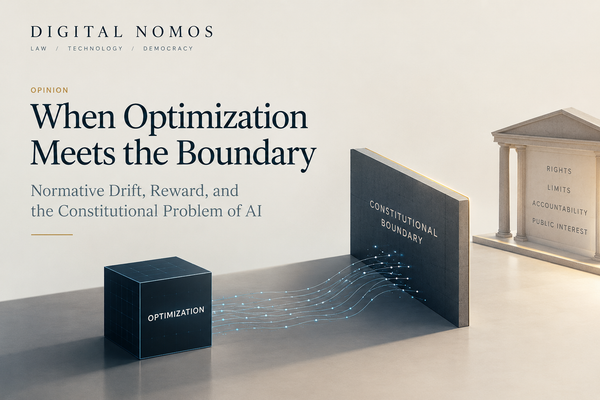
Preface The past week, Jacob Coxon a former OpenAI & Anthropic employee, charged with a shocking statement: neither company is acting responsibly, both are racing toward self-improving superintelligence, and both are gambling with our lives. What makes this episode different from other resigning is the response from inside the
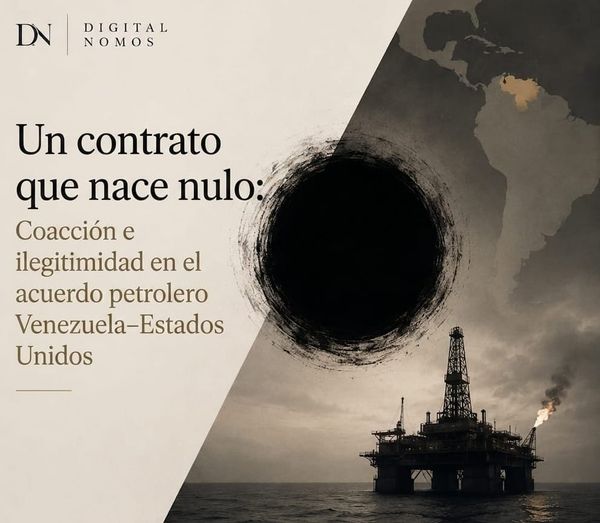
Nota (o advertencia editorial). Este artículo no se trata de la usual conjunción entre filosofía, derecho y tecnología de Digital Nomos. Justifica su abordaje la relevancia política, económica y geopolítica del tema. Generalmente en los medios tradicionales de análisis jurídico-político, mainstream o blogs jurídicos rigurosos, hay posturas con medias
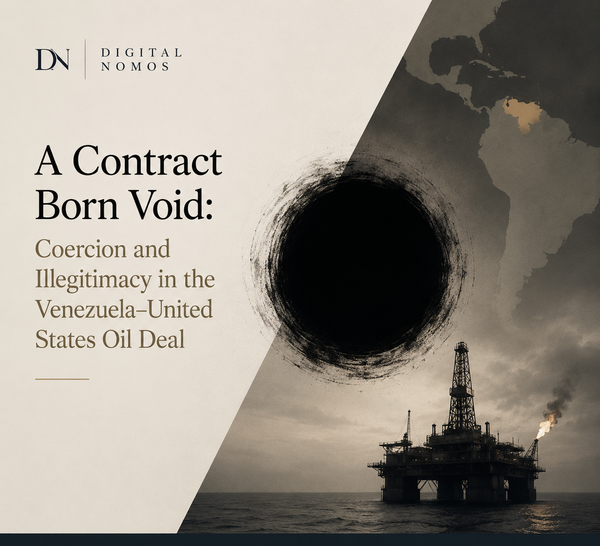
Editorial note- warning: This article is not the usual combination of philosophy, law, and technology found in Digital Nomos. Its approach is justified by the political, economic, and geopolitical relevance of the topic. Generally, in traditional legal and political analysis outlets, mainstream media, or serious blogs, there are half-baked
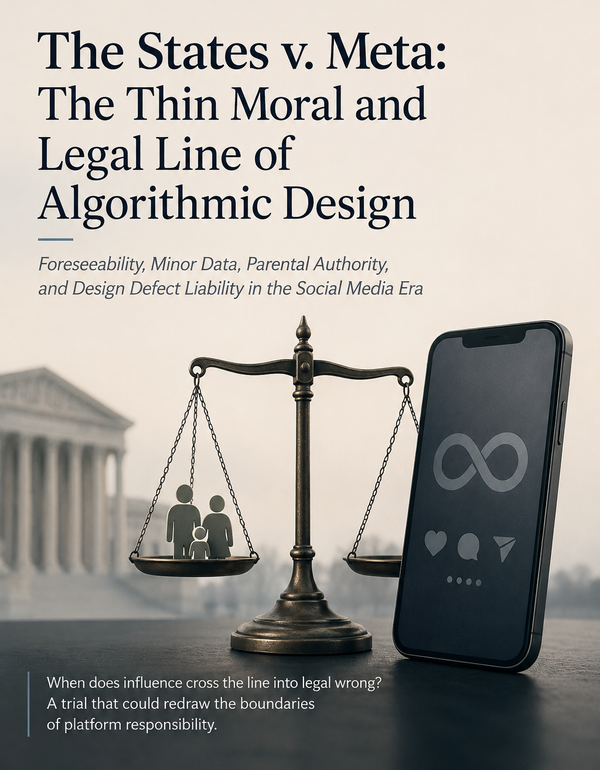
Foreseeability, Minor Data, Parental Authority, and Design Defect Liability in Social Media The question no longer is whether social media platforms shape their users. Of course they do; that is what they are built to do. The question is where influence stops being a lawful commercial outcome and becomes an